
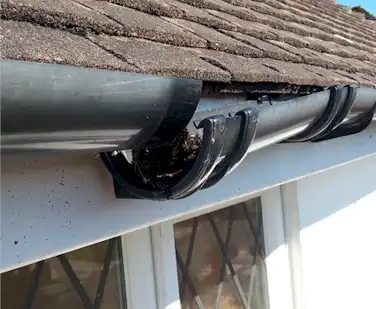
Attic mold happens because warm, humid air in your home has risen into a cold attic and condenses on surfaces like wood and insulation. During the winter, that moisture creates the perfect environment for mold to grow.
Understanding how this happens is the first step to stopping it before it causes bigger issues. From proper roof vent installation to attic ventilation services, here’s everything you need to know.
Over time, that moisture leads to:
- Mold growth
- Wood damage
- Other roofing problems
This is something we see every winter at Phil DiBello Family Roofing. Homes throughout Baltimore County, Harford County, and the surrounding Maryland communities frequently deal with roof ventilation issues, and we’re here to help.
TL;DR
Winter attic mold is caused by warm, high indoor air rising into a cold attic and condensing on wood and insulation. In Maryland homes, poor ventilation, air leaks, and high indoor humidity trap moisture all winter long. Fixing airflow and ventilation early prevents costly repairs later.
Key Takeaways
- Winter attic mold is usually caused by condensation, not roof leaks
- Warm indoor air + cold attic surfaces = trapped moisture
- Poor attic ventilation and unsealed air leaks make the problem worse
- Mold can damage roof decking, impact indoor air quality, and raise repair costs
- Proper roof vent installation and air sealing are the most effective long-term solutions
Why Winter Mold Is So Common in Maryland Homes
Cold winters combined with tightly sealed homes make attic moisture problems especially common in this region.
Warm Indoor Air Rises Into Cold Attics
Your heating system pushes warm air upward during winter. That air carries moisture from everyday activities like showering, cooking, and laundry.
Condensation forms when warm indoor air slips into a cold attic and hits roof decking or nails.
What that looks like in real life:
- Warm, moist air leaks into the attic
- Cold roof surfaces cool it instantly
- Moisture forms and lingers
- Mold starts growing on wood and insulation
What Our Roofers See on Local Inspections
In homes across Towson, Perry Hall, White Marsh, and Bel Air, mold almost always appears on north-facing roof decking and nail tips first. These become the coldest parts of the attic.
Too often, homeowners assume it is the roof that is failing, but usually the shingles and flashing are in great shape.
Signs Your Attic Has a Moisture Problem
Many homeowners in the Baltimore area don’t realize there’s an issue until it’s been going on for years.
Common Warning Signs
- Black, gray, or white spotting on rafters or roof decking
- Rusted nails sticking through the wood
- Insulation that looks damp, heavy, or flattened
- A musty smell near attic access points or upstairs ceilings
- Frost or water droplets in the attic during freezing weather
These are all signs that moisture isn’t escaping the attic the way it should.
Where Winter Attic Moisture Comes From
Air Leaks from the Living Space Below
Even small gaps can move a surprising amount of warm air into the attic. We commonly find leaks around:
- Attic hatches and pull-down stairs
- Bathroom exhaust fans
- Recessed lighting
- Plumbing and electrical penetrations
High Indoor Humidity in Winter
Homes are sealed tightly to keep heat in. This is effective but also traps humidity. If indoor humidity stays above 45-50% during winter, it is going to eventually find its way into the attic.
Poor or Improper Attic Ventilation
Attic ventilation is designed to move moist air out before it condenses. When vents are blocked or aren’t sized correctly, it results in moisture staying trapped. Ultimately, this results in mold, wood damage, and even ice dams.
Proper roof vent installation will help you avoid these issues, and working with a trusted roofing contractor is key.
Why Ignoring Attic Mold Leads to Bigger Problems
Indoor Air Quality Issues
Attic air doesn’t stay isolated. Damp air and mold spores can be pulled back into your home through ceiling gaps and ductwork, affecting comfort and air quality.
Damage to Your Roof Structure
Mold feeds wood. Over time, moisture weakens roof decking and framing, shortening the lifespan of your roof.
Higher Repair Costs Down the Line
What starts as a ventilation issue can turn into:
- Insulation replacement
- Mold remediation
- Structural wood repairs
Don’t forget: early intervention is always easier and less expensive.
Common Mistakes We See
Assuming Mold Means a Roof Leak
In winter, attic mold is almost always caused by condensation rather than rain intrusion.
Venting Bathrooms Into the Attic
This is one of the most common issues we find in homes throughout Harford and Baltimore counties. Bathroom fans must vent outside and never into the attic.
Adding Insulation Without Sealing Air Leaks
Insulation helps with heat loss, but it doesn’t stop warm air movement. Without sealing, insulation can actually trap moisture longer.
How to Prevent Winter Moisture Build-Up in Your Attic
Improve Attic Ventilation
A balanced ventilation system allows moist air to escape before it causes problems. This is a key part of many attic and roofing evaluations we perform.
Seal Air Leaks First
Stopping warm air before it reaches the attic is critical. Focus on:
- Attic access points
- Light fixtures
- Plumbing and wiring openings
Keep Indoor Humidity Under Control
- Use bathroom and kitchen exhaust fans
- Avoid overusing humidifiers
- Monitor indoor humidity during winter
When to Call a Local Roofing Professional
If you’re seeing mold, moisture stains, or recurring condensation each winter, it’s time to bring in a professional. A local roofing and ventilation inspection can identify:
- Where warm air is leaking
- Whether attic ventilation is working properly
- What changes will actually solve the problem
Next Step: If attic mold keeps showing up in your Maryland home, schedule a professional attic and roof evaluation before moisture causes long-term damage.
FAQs
Can attic mold affect my home’s resale value?
It can, especially if moisture damage is visible during inspections. Addressing it early helps protect your investment.
Does attic mold mean I need a new roof?
Not usually. In most Maryland homes, attic mold is caused by moisture and ventilation issues, not failing shingles.
Will attic ventilation help prevent mold?
Proper ventilation is one of the most effective ways to prevent condensation and mold growth.
Is attic mold common in older Baltimore-area homes?
Yes. older homes often have more air leaks and outdated ventilation, which makes winter moisture problems more likely.
Contact Phil DiBello Family Roofing to Learn More About Roof Ventilation
Winter attic mold is a moisture problem, not a mystery. In homes across Baltimore County, Harford County, and surrounding Maryland communities. It’s usually caused by warm indoor air and inadequate roof ventilation.
Fix the airflow and moisture issues with Phil DiBello Family Roofing!
Contact us today to schedule an appointment.